


Hydrocodone-acetaminophen 5 mg-325mg dosage refers to a prescription pain-relief medicine containing 5 mg of hydrocodone and 325 mg of acetaminophen in each tablet. It is an opioid-containing combination used for pain when a clinician considers an opioid appropriate. Because hydrocodone can cause dependence and dangerous breathing problems, the correct dose depends on the individual patient, the product label and the prescriber’s instructions.
Table of Contents
What Is Hydrocodone-Acetaminophen 5 mg-325mg Dosage?
Hydrocodone is an opioid analgesic that changes how the brain and nervous system respond to pain. Acetaminophen is a non-opioid pain reliever. Combining the two provides pain relief through different mechanisms.
The 5 mg-325 mg strength means:
| Component | Amount per tablet | Purpose |
|---|---|---|
| Hydrocodone | 5 mg | Opioid pain relief |
| Acetaminophen | 325 mg | Non-opioid pain relief |
| Total active ingredients | 330 mg | Combination formulation |
The tablet should be taken only as prescribed. Different manufacturers can have different tablet appearances and prescribing information.
Hydrocodone-Acetaminophen 5 mg-325mg Dosage
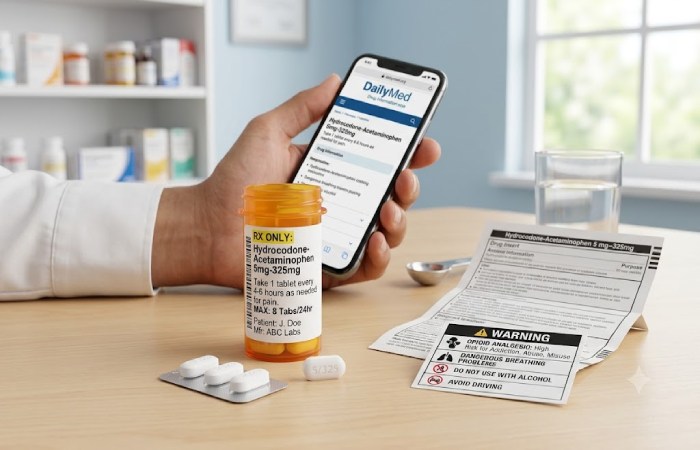
It says in some current prescribing information for the various hydrocodone-acetaminophen 5 mg/325 mg products that the typical adult initial dose is 1 or 2 tablets every 4-6 hours PRN pain and that some products recommend taking a maximum of 8 tablets per 24 hours. However, the instructions regarding the maximum dose dose not appear on all present and past labels, therefore the medication label provided with the prescription as well as instructions from the physician override others.
This difference is important. The 8 tablets we are concerned about provide 40 mg of hydrocodone and 2,600 mg of acetaminophen. You can also consume more medication which contains additional acetaminophen in it.
Above adult general dose should not be read as advice to take 1 or 2 tablets. The prescriber will choose appropriate doses and timings based on the individual’s age, other medications, co morbidities and prior opioid exposure and treatment objective.
A Practical Dosage Workflow
- Check the prescription label. Confirm the strength and directions.
- Check the ingredients. Look for acetaminophen in other medicines you take.
- Take only the prescribed amount. Never increase the dose because pain has not improved enough.
- Monitor for excessive sleepiness or breathing changes.
- Contact your healthcare professional if pain remains poorly controlled or side effects occur.
- Never share the medicine with another person.
Hydrocodone combination products can cause serious respiratory depression, particularly during the first 24–72 hours after starting treatment or after a dose increase.
DailyMed provides current US drug-label information, including product-specific dosage instructions. Current labels show that 5 mg/325 mg products can have an eight-tablet daily maximum, demonstrating why readers should verify the exact product label.
What to Expect From the Medicine
The realistic goal is improved pain control rather than necessarily eliminating pain completely. Response varies considerably between people.
Side effects will be similar to those of many commonly available drugs and are likely to include sleepiness, giddiness, nausea and constipation. Hydrocodone may also cause drowsiness and thus driving or the use of machinery should not be undertaken until the effect it has on the individual is established and alcohol would worsen this significantly.
Lengthy use, improper use or prolonged administration of certain drugs can produce tolerance, dependence or physical dependency, as well as misuse or addiction. The medical necessity to use the lowest effective dose over the shortest time necessary is a risk associated with these adverse effects.
Acetaminophen Is an Important Part of the Dose
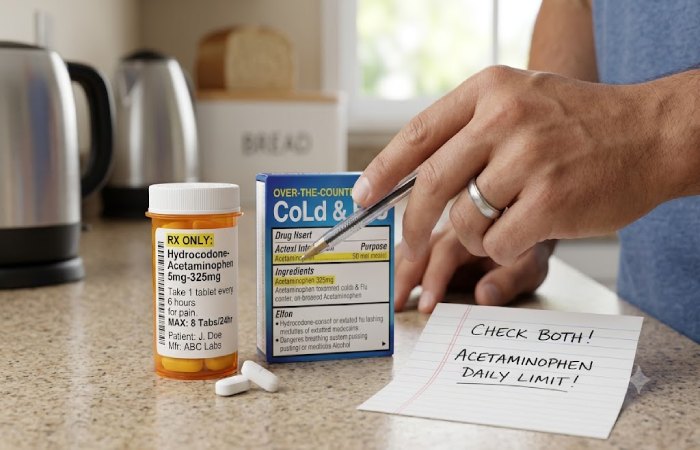
The “325 mg” should not be overlooked. Every tablet contains 325 mg of acetaminophen, so taking multiple tablets adds up quickly.
It is a frequent mistake to take another analgesic or a cold medicine with acetaminophen with it. This will give you a higher total day dose, and it may harm your liver. Warns that an acetaminophen-containing medicine should not be combined with others to prevent acetaminophen toxicity.
Ask a pharmacist to review your medicines if you are unsure whether another product contains acetaminophen.
Who Should Use Extra Caution?
Before treatment, tell your doctor about:
- Liver or kidney problems
- Breathing disorders or lung disease
- Previous opioid use or dependence
- Pregnancy or plans to become pregnant
- All prescription and non-prescription medicines
- Alcohol consumption
- Sedatives, sleeping medicines or other medicines that depress the central nervous system
Combining hydrocodone with certain medicines, alcohol or illicit drugs can increase the risk of severe sedation, respiratory depression, coma and death.
Pros and Limitations
| Potential benefit | Important limitation |
|---|---|
| Can provide strong pain relief | Can cause drowsiness and dizziness |
| Combines opioid and non-opioid analgesia | Has misuse and dependence risks |
| Available in a relatively low hydrocodone strength | Acetaminophen adds liver-toxicity concerns |
| May be useful for selected acute pain situations | Not appropriate for everyone |
The main advantage is the combination approach. The major limitation is that the opioid component introduces risks that require careful prescribing and monitoring.
When Is It an Emergency?
Very slow, shallow or difficult breathing, inability to wake the person, extreme sedation, collapse or blue/grey lips can indicate an opioid overdose. These symptoms require urgent emergency medical attention.
Do not make someone vomit after a suspected overdose unless instructed by a healthcare professional or poison service. Keep the medication away from children and other people who could accidentally take it.
Ask your doctor or pharmacist whether an opioid-reversal medicine such as naloxone is appropriate for your situation. MedlinePlus recommends discussing access to rescue medicines with healthcare professionals for people taking hydrocodone combination products.
Hydrocodone-Acetaminophen vs Other Pain Relief
There is no single “best” pain medicine for everyone. Depending on the condition, clinicians may consider non-opioid medicines, physical therapies or other treatment approaches before or alongside an opioid.
| Option | General characteristic | Key consideration |
|---|---|---|
| Hydrocodone-acetaminophen | Opioid + non-opioid combination | Dependence, sedation and acetaminophen risks |
| Acetaminophen alone | Non-opioid analgesic | Liver safety and total daily exposure |
| Other non-opioid medicines | Varies by medicine | Suitability depends on the condition and patient |
| Non-drug approaches | Physical or supportive treatment | Often condition-specific |
The appropriate alternative depends on why the pain is occurring and the person’s health history.
Conclusion
Hydrocodone-acetaminophen 5 mg-325mg dosage should be treated as a prescription-specific instruction rather than a standard dose that everyone can safely follow. Current labels for some products describe one or two tablets every four to six hours as needed for adults, but the appropriate regimen depends on the individual and the exact product.
Use only as directed, count how many other medicines with acetaminophen you take, drink no alcohol and talk to your doctor about any severe pain or side effects you experience – but the overall goal is to provide the pain relief needed without any significant risk of opioid pain or too much acetaminophen.
