

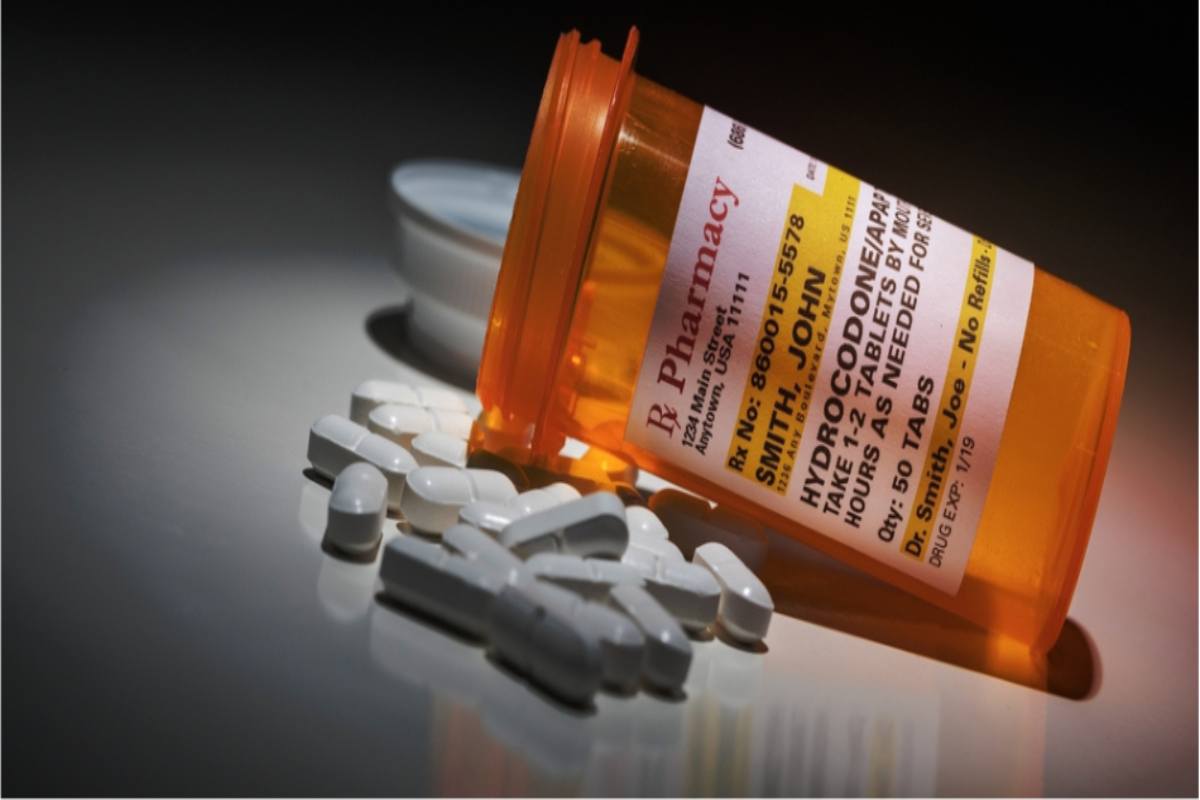
Hydrocodone/Acetaminophen 5-325 mg en Español refers to a prescription combination medicine containing 5 mg of hydrocodone and 325 mg of acetaminophen in each tablet. Hydrocodone is an opioid pain reliever, while acetaminophen is a non-opioid pain reliever; the combination is used when pain is severe enough to require an opioid medicine.
If you searched for Hydrocodone/Acetaminophen 5-325 mg en Español, you may be looking for the English explanation of this medication and its Spanish terminology. The medicine combines hydrocodone, an opioid analgesic, with acetaminophen, a non-opioid pain reliever.
The 5 mg/325 mg strength contains 5 mg of hydrocodone bitartrate and 325 mg of acetaminophen per tablet. It is a prescription medicine intended for pain severe enough to require opioid treatment when other pain-management options are not adequate or cannot be tolerated.
Table of Contents
What Is Hydrocodone/Acetaminophen 5-325 en Español mg?
Hydrocodone/acetaminophen is a combination prescription pain medicine.
The two active ingredients have different roles:
- Hydrocodone: an opioid analgesic that changes how the brain and nervous system respond to pain.
- Acetaminophen: a non-opioid pain reliever and fever reducer.
The formula presented throughout this guide is 5 mg hydrocodone bitartrate and 325 mg acetaminophen per tablet.
The active substance in Tylenol is acetaminophen. This drug can go by the name paracetamol in several Spanish-speaking countries. A person who looks up the drug in Spanish could come up with a number such as hydrocodone/paracetamol 5 mg /325 mg.
What Is Hydrocodone/Acetaminophen 5-325 mg Used For?
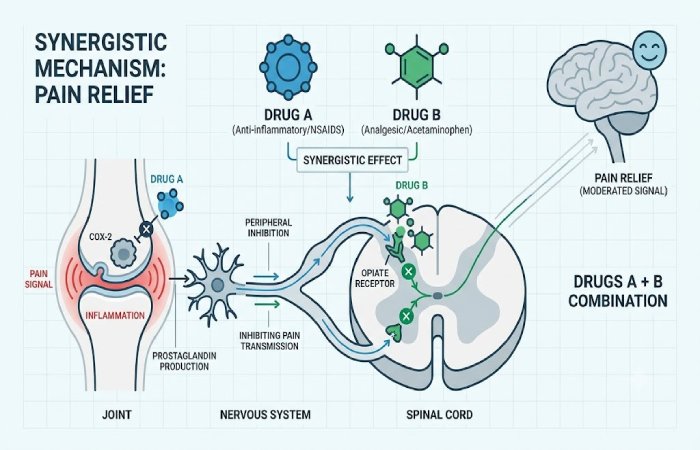
Is recommended for pain severe enough to be treated by an opioid analgesic. Hydrocodone is an opioid receptor agonist of central nervous system pain receptors that modify the perception to pain response by the nervous system. Acetaminophen may prolong and/or increase the effects of hydrocodone.
It may not be the ideal medication for a typical mild pain experience; opioid medications should be used if you believe the potential benefits will be greater than the potential risks.
The appropriate treatment depends on factors such as:
- The cause and severity of pain
- Previous pain treatments
- Other medicines being taken
- Liver and respiratory health
- History of substance-use problems
- Individual response to treatment
Hydrocodone/acetaminophen 5-325 mg en español Specifications
| Feature | Information |
|---|---|
| Generic name | Hydrocodone bitartrate and acetaminophen |
| Hydrocodone | 5 mg per tablet |
| Acetaminophen | 325 mg per tablet |
| Medicine type | Combination opioid analgesic |
| Route | Oral |
| Main purpose | Management of severe pain when an opioid is appropriate |
| Prescription status | Prescription medicine |
| Spanish terminology | Hidrocodona/paracetamol 5 mg/325 mg |
It should also be remembered that tablets manufactured by various manufacturers may differ in colour, size, shape or in the matter of inscriptions. Thus, visual identification should not be the only mean to determine authenticity.
How Does It Work?
Hydrocodone, like any drug in its class, helps with pain management from the inside by working on the body’s Central nervous system. It may alleviate pain without sedating, or depressing, respiration.
Acetaminophen provides additional analgesic and fever-reducing effects. The combination can therefore provide stronger pain relief than either component might provide alone in some clinical situations. However, the presence of an opioid also introduces risks that would not apply to acetaminophen alone.
Safe Use: A Practical Workflow
A safer approach is to follow this sequence:
Medical assessment → Prescription → Confirm strength → Follow the prescribed directions → Check other medicines → Monitor response → Contact the healthcare professional if problems occur
Do not change the amount or frequency yourself simply because pain continues.
Current prescribing information recommends individualising treatment and using the lowest effective dose for the shortest appropriate duration.
What About the Dose?
Some US product labels describe an adult starting regimen for the 5 mg/325 mg strength as one or two tablets every four to six hours as needed, with a maximum of eight tablets per day for that specific formulation.
This should not be treated as a personal dosing instruction. Different products, patients and clinical circumstances can require different directions. A doctor or pharmacist should determine the appropriate regimen.
What Results Should You Expect?
The realistic goal is generally meaningful pain reduction, rather than necessarily eliminating pain completely.
Response varies from person to person. Some people may experience pain relief alongside drowsiness or other side effects.
It also leads to developing a tolerance to the use of the drug the longer the drug is taken, and that could be a reason why a professional asks the question regarding whether we are ready for the use of an opioid drug continued use and is it appropriate.
Common Side Effects
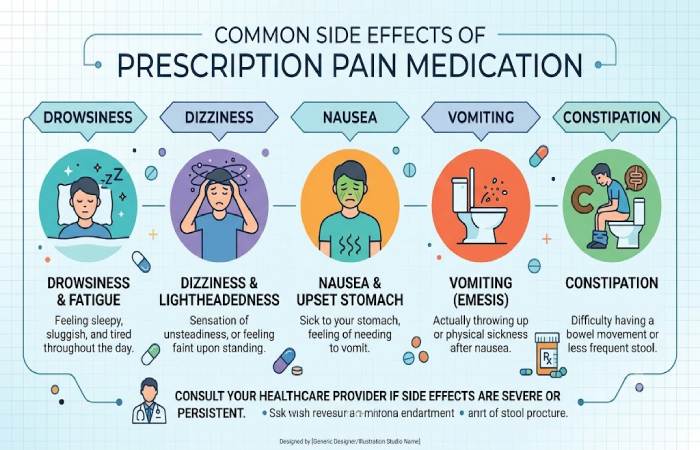
Potential side effects can include:
- Drowsiness
- Dizziness
- Nausea
- Vomiting
- Constipation
- Light-headedness
- Sedation
Not everyone experiences these effects, and their severity can vary.
Hydrocodone can also cause serious respiratory depression, particularly during the early stages of treatment or after a dose increase.
Serious Safety Risks
Respiratory Depression
One of the most important risks associated with hydrocodone is dangerously slow or shallow breathing.
Emergency medical attention is necessary if someone taking the medicine develops:
- Very slow breathing
- Long pauses between breaths
- Severe difficulty breathing
- Extreme sleepiness
- Inability to wake normally
- Loss of consciousness
These symptoms can indicate a potentially life-threatening opioid reaction.
Dependence and Addiction
Hydrocodone can be habit-forming. Physical dependence can also develop with repeated use.
For this reason, it should be taken exactly as prescribed rather than used more frequently or in larger amounts without medical guidance.
Liver Damage
The acetaminophen component creates another important safety consideration. Taking excessive amounts of acetaminophen can cause serious liver injury. The risk can be particularly easy to overlook when someone takes several different medicines containing acetaminophen at the same time.
Always check the active ingredients of other painkillers, cold medicines and prescription products before combining them.
Alcohol and Other Medicines
Alcohol and certain medicines can increase the sedating effects of hydrocodone. You should be careful if you are taking medications that suppress your central nervous system. Using opioids along with sedatives could raise the danger of serious sedation, respiratory depression, coma, and demise.
Tell your doctor or pharmacist about:
- Prescription medicines
- Over-the-counter medicines
- Sleeping medicines
- Anti-anxiety medicines
- Other opioids
- Alcohol use
- Vitamins and supplements
Pros and Cons
| Potential advantages | Important limitations |
|---|---|
| Can provide substantial pain relief | Contains an opioid |
| Combines two pain-relieving ingredients | Can cause drowsiness |
| Available in a 5 mg/325 mg strength | Risk of dependence |
| May be appropriate for severe pain in selected patients | Can cause constipation and nausea |
| Two active ingredients work differently | Excess acetaminophen can harm the liver |
The benefits therefore need to be considered against the individual patient’s risks.
Who Should Discuss It Carefully With a Doctor?
Extra caution may be necessary for people with:
- Breathing problems
- Sleep apnoea
- Liver disease
- A history of substance-use disorder
- Previous opioid problems
- Pregnancy or planned pregnancy
- Use of sedating medicines
- Regular alcohol consumption
- Allergy to either ingredient
This does not automatically mean the medicine cannot be used. Instead, these factors should be discussed with a healthcare professional before treatment.
Hydrocodone/Acetaminophen vs Paracetamol
These medicines are not the same.
| Characteristic | Hydrocodone/Acetaminophen | Paracetamol alone |
|---|---|---|
| Hydrocodone | Yes | No |
| Paracetamol/acetaminophen | Yes | Yes |
| Opioid | Yes | No |
| Dependence risk | Present | Does not have opioid dependence risk |
| Main concern | Opioid + acetaminophen safety | Acetaminophen dosage and liver safety |
| Prescription requirements | Depends on jurisdiction | Depends on product and jurisdiction |
The combination should therefore not be treated as simply a stronger version of ordinary paracetamol.
Is It Suitable for Everyone?
An opioid combination medicine should be selected according to the patient’s medical circumstances. It may be unsuitable or require additional monitoring in some people.
Children, older adults and people with respiratory, liver or other medical problems may require particularly careful assessment.
Pregnancy is another important consideration. Regular opioid use during pregnancy can expose a newborn to withdrawal symptoms after birth.
Storage and Safe Handling
Keep prescription opioids in a secure location where children, visitors and other household members cannot access them.
Do not share prescription pain medicine with another person, even if they appear to have similar symptoms. Safe disposal is also important because accidental ingestion can cause serious harm.
When Should You Seek Urgent Help?
Seek emergency medical care if someone taking hydrocodone/acetaminophen develops severe breathing difficulty, becomes extremely difficult to wake, loses consciousness or shows other signs of a serious overdose.
An overdose can involve both components: excessive hydrocodone can cause dangerous opioid effects, while excessive acetaminophen can cause liver injury.
If an overdose is suspected, do not wait for symptoms to become severe before seeking emergency help.
Conclusion
Hydrocodone/Acetaminophen 5-325 mg en Español describes a prescription combination containing hydrocodone and acetaminophen. It can be an effective option for appropriately selected patients with severe pain, but it is not a routine over-the-counter painkiller.
Key safety issues are recognizing the opioid aspect, NOT taking with excessive sedating medications, verifying absence of added acetaminophen, AND adhering strictly to directions. Doctor or pharmacist is best bet to guide on your specific drug or dose.